
I added an 12h RGB exposure of IC405 to my Auriga Image Map.
Kategorie: Uncategorized
Owl Nebula
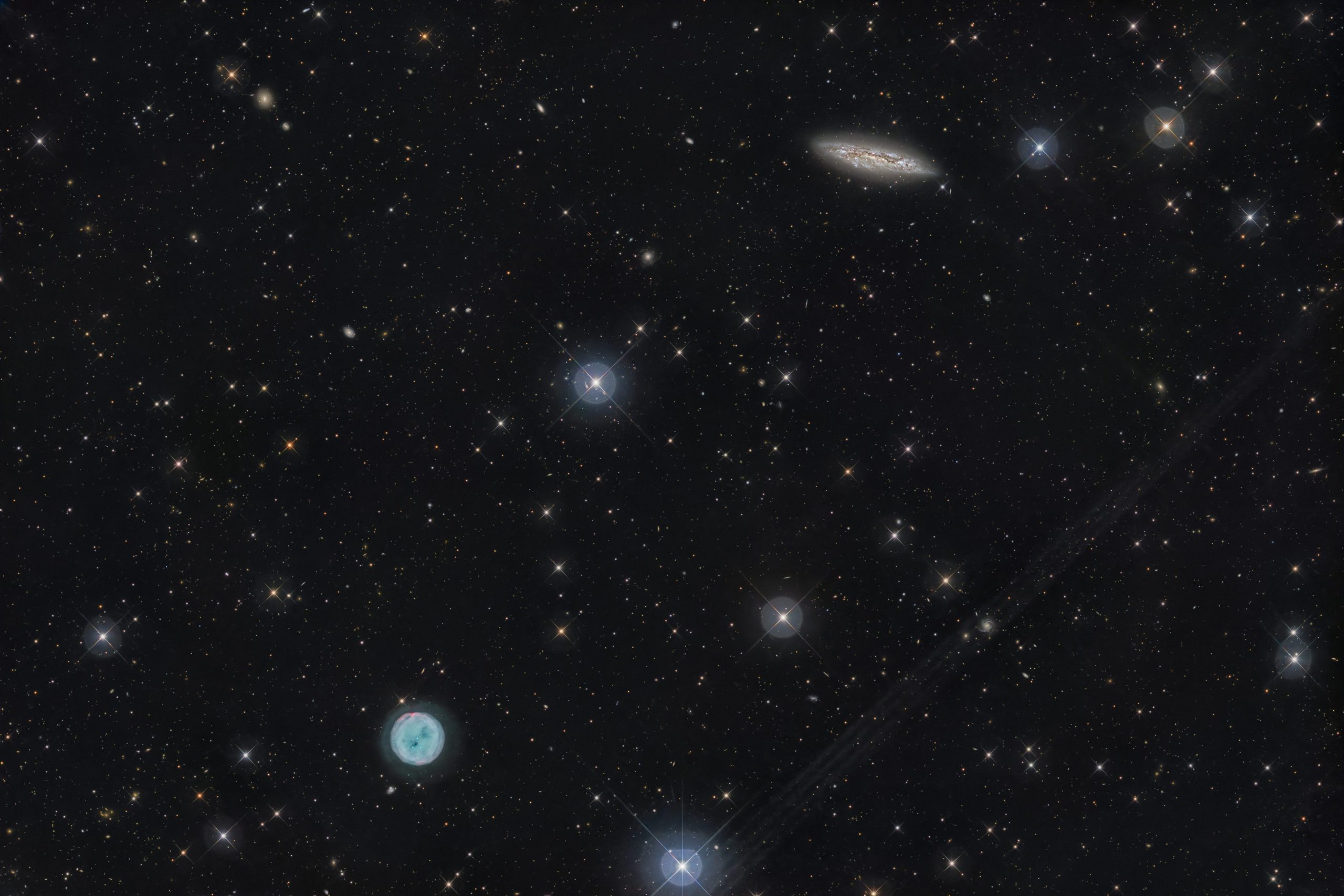 Almost 14 years after my first photo of M 97 and M 108 I finally took a second photo. Both photos are placed under „Closed Encounters„.
Simeis 147

Finalized the processing of my S 147 data collected in 2025. The processing tends a bit towards over processing, but I hope it is still gentle enough in order not to exaggerate it.
It’s placed in the wide field gallery.
Another equipment test

During a hard disk cleaning session, I noticed that a test photo was actually quite nice to look at. This test should assure e proper running gear during my upcoming trip to Tenerife. I put the photo to my wide fields.
Treasures from long-forgotten places

The processing of the underlaying date never lead to an acceptable result of my Purgathofer-Weinberg 1 shot. With new processing tools I could produce a good result, finally.
Coma Corrector Update III
Coma Corrector Update I+II
Since I’m now experimenting with the Starizona Nexus as a possible replacement of my 0.73x corrector, I revised the corrector pages corresponding to my 10″ astrograph and added much information to „Optisches Konzept“ and „Optik in der Praxis“. I did this basically for my own documentation, hence it is in german language.
Added a second test under the night sky with my DIY QHY-Adapter. It seems to be a usable set-up.
Where Serpens, Sagittarius and Scutum meet
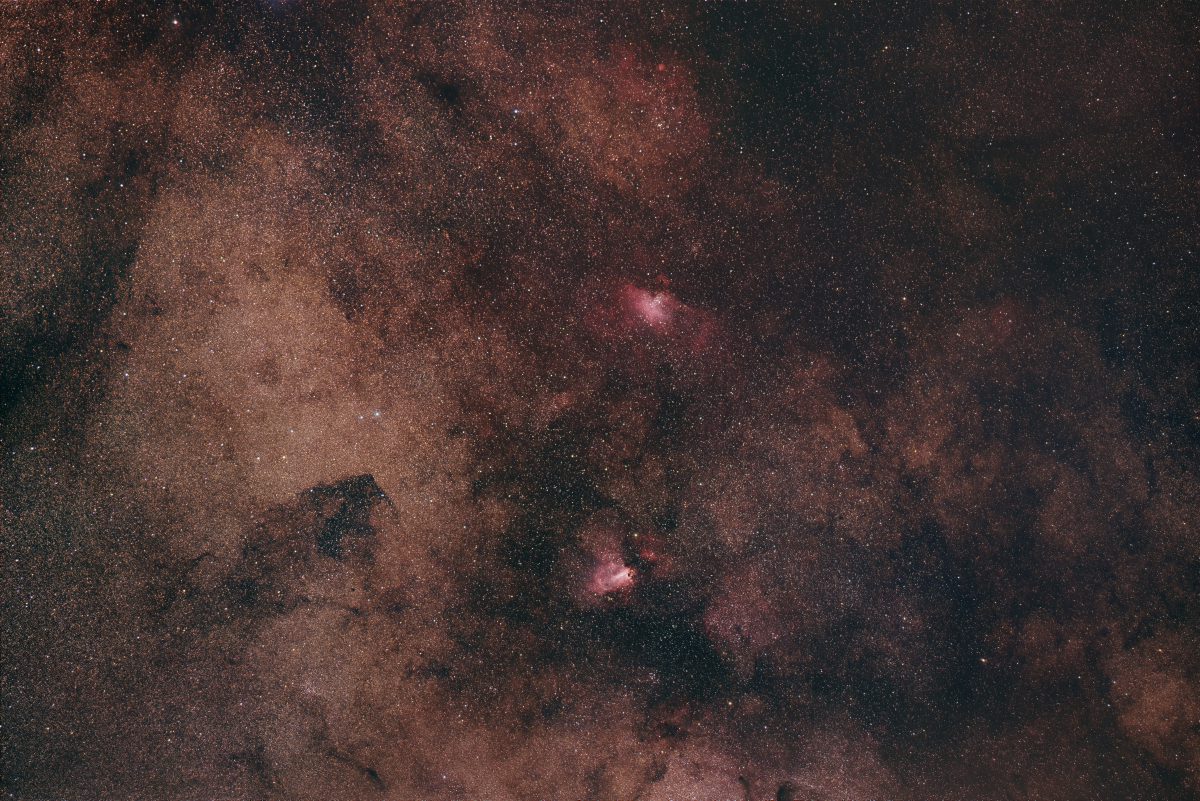
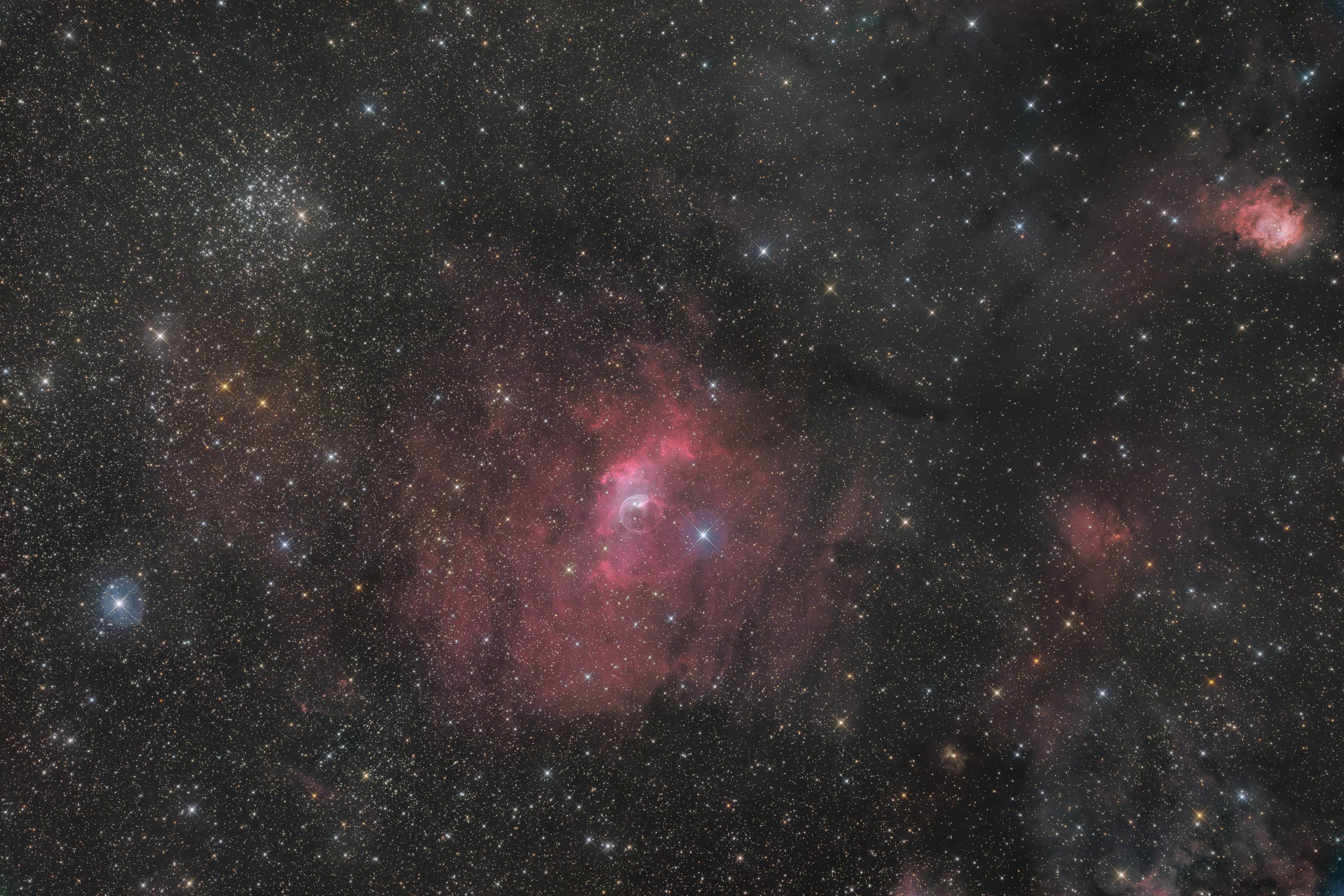
The area where Serpens, Scutum and Sagittarius join is close to the center of our milky way and many nebulas can be found there. Among others, the famous Eagle Nebula (M16) and Omega Nebula (M17) are located in this region. Added a page showing photos taken over the years.
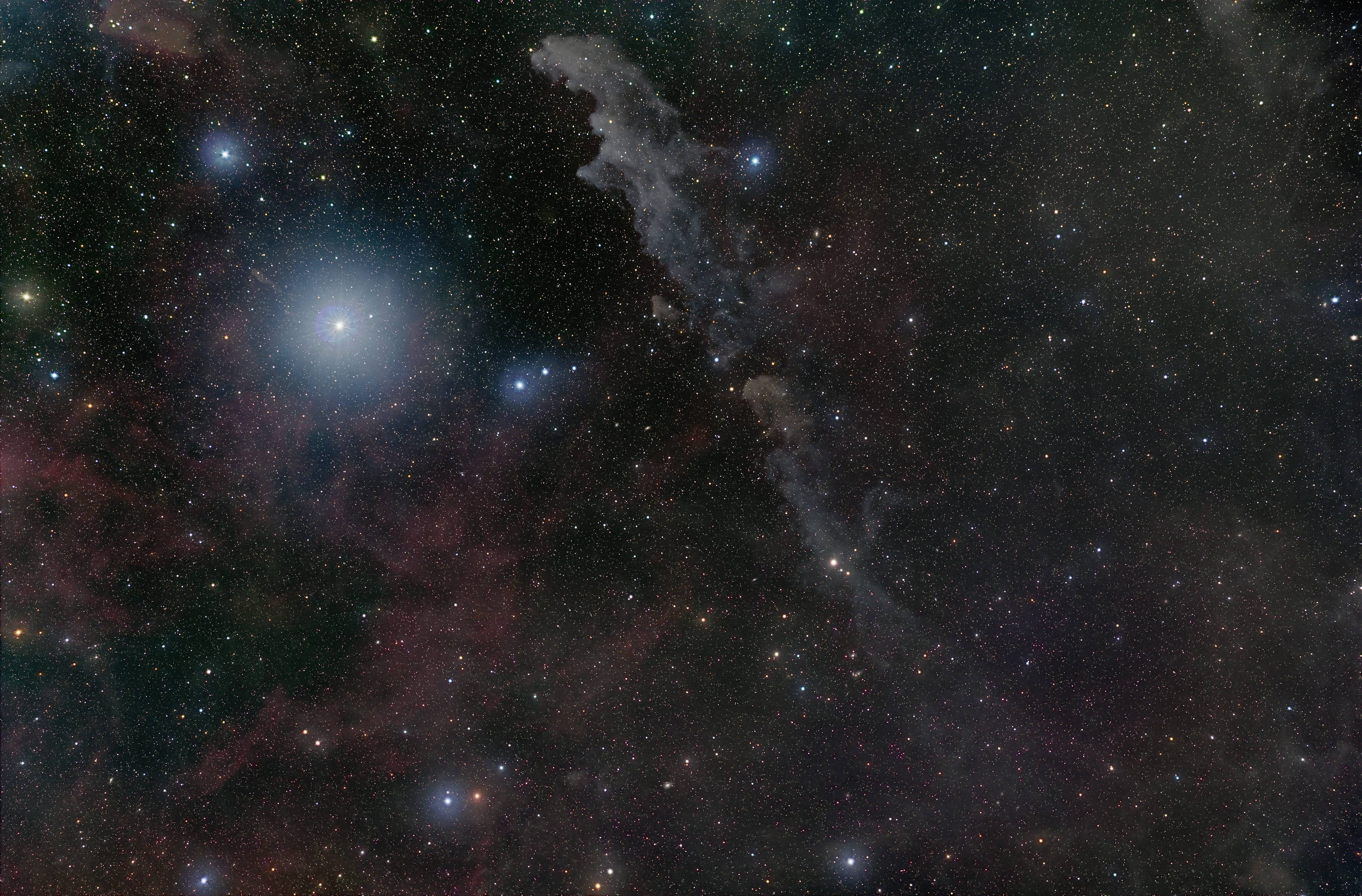
Witch Head Nebula IC 2118
Taking the first photo (no in the archive) of it at Athos at LaPalma in 2018 I had issues regarding framing and reflexes.
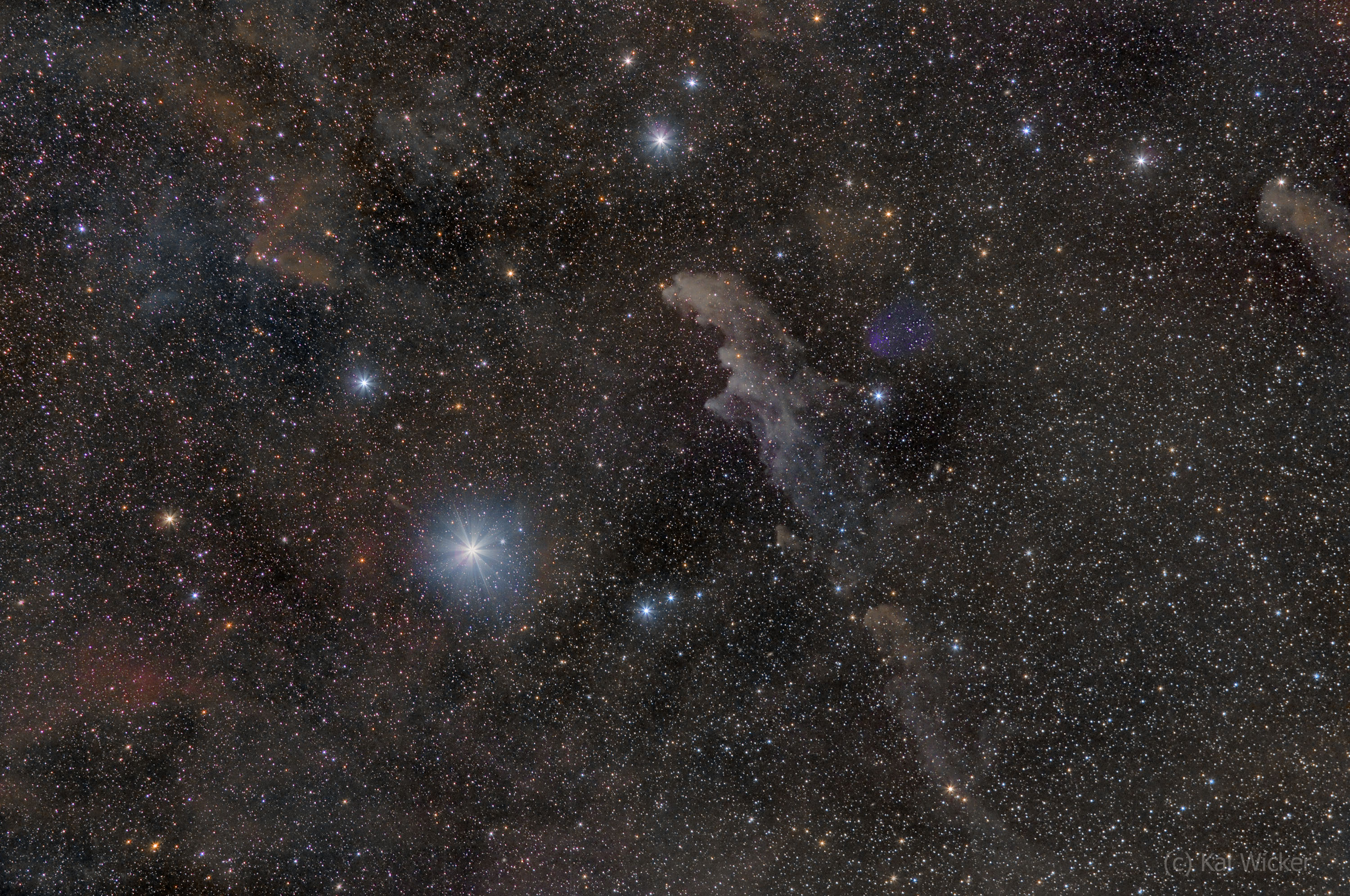
During my 2025 vacation at Tenerife I tried it a second time. Shot an update at Teide approx. 2040m asl. Find it in the wide fields.
Some Galaxies of Coma Cluster
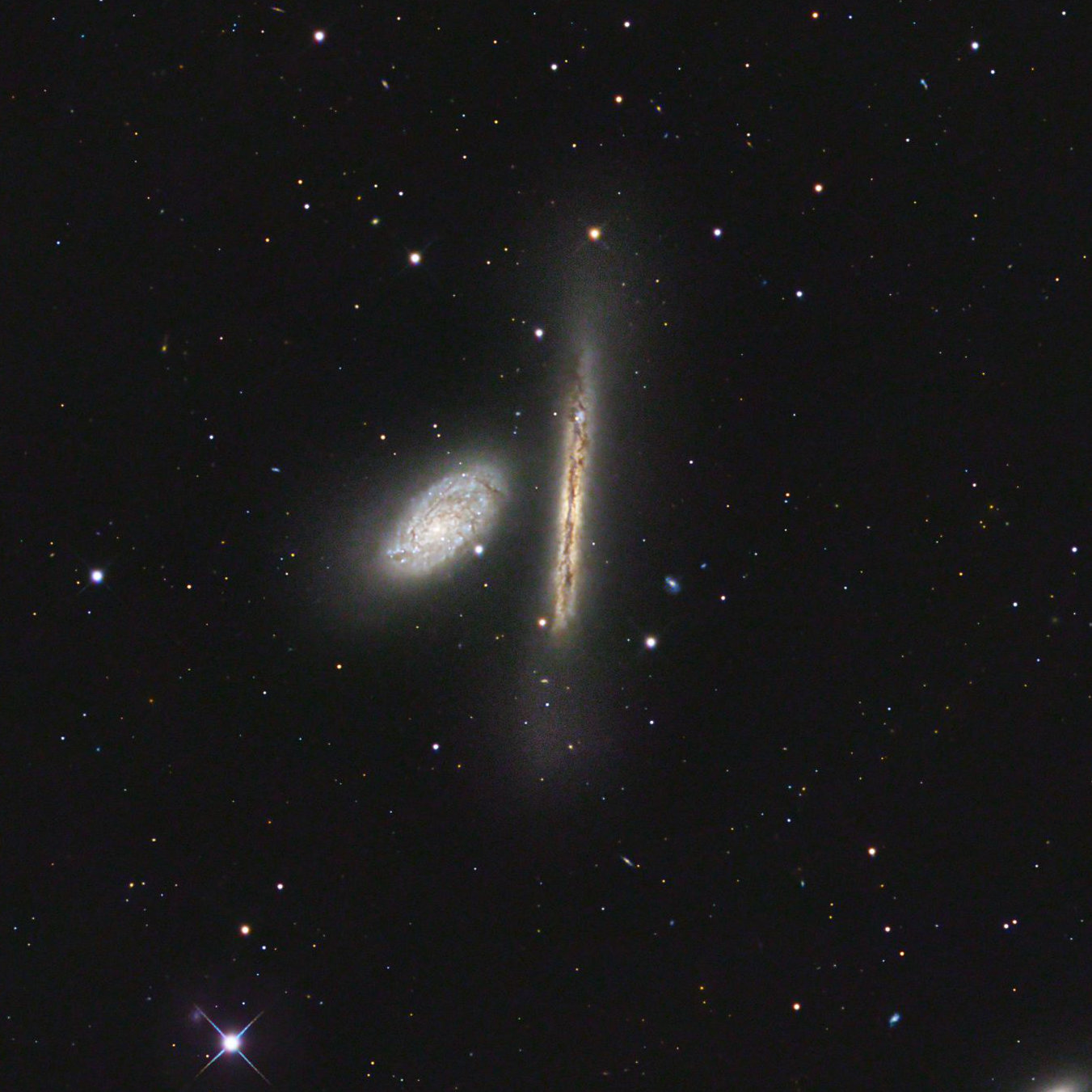 Added a photo taken this year during April to the gallery. The data hided at my hard disk suring summer, but no they been process satisfactorily.